Your Most Reliable Mississauga Moving Company


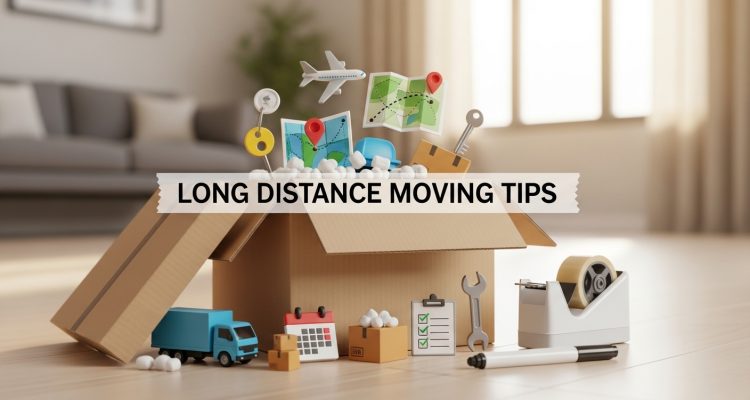
A long-distance move is not just a physical task of packing or just transporting belongings. It is a full-life transition. It comes with the stress of planning, budgeting, emotional adjustment and careful coordination. Unlike local relocation, distance adds complexity that can become overwhelming… if not handled properly.
That’s why we’ve got essential tips for long distance moving for you in this guide. When you understand the process early, you won’t be confused. Instead you’re going to reduce your own stress levels significantly. Most people only realize the depth of planning required once they are already mid-process. That is why having practical long distance moving tips and tricks makes such a difference!
In this guide by MPR Movers and Packers, we’ll walk through the best way to move long distance. So consider this blog your long distance moving advice from professional movers and let’s get started.
| Core Takeaways The best way to move long distance is to break everything into steps. For example planning, budgeting, packing, hiring movers and travel. This way, nothing feels rushed at any stage. Using tips from professional movers like decluttering, labeling boxes and packing in phases helps you reduce costs and stay more organized during the entire move. A strong timeline & checklist-based approach ensures you don’t miss important details like utilities, documents or insurance. |
Moving long distance becomes manageable only when you break it into steps instead of treating it like one massive task. Whether you are relocating within the country or figuring out how to move across the country in Canada the foundation remains the same. Plan early. Stay organized. Avoid rushing decisions.
A moving timeline is very important. Ideally you should begin planning at least 8 to 12 weeks in advance… so you have enough breathing space. This timeline helps you distribute tasks evenly. You won’t be compressing everything into the last few days. That usually leads to mistakes.
It also gives you clarity on what needs to be done weekly. Whether that’s sorting items or booking movers or even arranging transport, you’d know what to do when.
When you follow a timeline your moving preparation becomes far more “controlled”. It also ensures you don’t miss important deadlines and milestones along the way.
A long-distance move involves more costs than most people initially expect. Other than just transportation, you also need to consider packing materials, fuel or travel costs, storage and even temporary accommodation. Without proper planning these small expenses can quickly add up.
Creating a flexible moving budget helps you stay prepared for both expected as well as any unexpected costs of moving. It also prevents financial stress during the move. Especially when relocation expenses start increasing closer to the moving date. A well-planned budget gives you confidence & stability throughout the process.
Before you get to packing anything it is important to know exactly what you own. A full inventory helps you understand the volume of your long distance move which directly affects cost and planning. This step also helps you decide what is worth taking and what can be left behind.
Going room by room makes the process more organized and prevents things from being forgotten. It also supports better decluttering before move since seeing everything clearly makes it easier to reduce unnecessary items. Overall this step simplifies decision-making and improves efficiency.
Decide how you want to physically move your belongings. You can hire professional moving services, rent a truck or use portable storage solutions. This is all dependent on your situation. Each option comes with different levels of cost as well as convenience.
This is where comparing options becomes important through proper mover comparison and checking mover reviews and ratings. Choosing a trusted moving company ensures your belongings are handled safely. Whereas, DIY options give you more control… but require more effort.
Hiring movers is one of the most important decisions in a long-distance relocation. So here’s what you should do:
It is also important to understand moving contracts before you sign any papers. A trustworthy company should clearly explain terms, timelines and services included. This step protects you from hidden charges. Moreover, it ensures transparency throughout the process.
Packing is not something that should be done all at once. Instead it should follow a packing timeline where you begin early and work in stages. This allows your daily life to remain functional… while slowly preparing for the move.
Start with non-essential items and gradually move toward everyday belongings. This method improves organization and reduces stress. It also helps you maintain control over your packing plan instead of feeling rushed at the end.
Insurance is often overlooked. But it plays a critical role in long-distance relocation. Moving insurance ensures your belongings are protected during transit. Especially over long distances. That’s where handling is more complex.
In some cases, you may also need secure storage options if your new home is not ready immediately. Planning this early prevents last-minute stress. And it ensures your belongings are safe until you are ready to receive them.
Your move is not just about belongings. It is also about how you will physically reach your new home. Planning vehicle transportation early is important… if you are not driving your own car. Pets also need special attention. Pets travel arrangements require comfort & safety considerations.
This step also involves coordinating your route, stops and timing so everything aligns with your movers. Good planning ensures smoother move coordination and reduces travel-related stress.
This is the quieter part of the move. But it holds everything together in the background. It’s about making sure your life continues as you transition from one place to another. But once this is done? Everything else feels more connected and organized.
You update your address across all essential services. This way, nothing gets left behind in the old place. Then you make sure your financial as well as official records reflect your new location. It’s a simple step. However, it keeps everything aligned as you move forward into your next chapter.
Moving day feels like the moment everything comes together. All the planning, packing and decisions finally turn into action.
You follow your moving day plan to keep everything on track. Your essentials stay close to you and ready for easy access throughout the journey.
Good relocation habits can make a huge difference in how your move feels. These long-distance moving tips are simple. But they are effective when followed consistently.
Reducing what you own is one of the most effective cheap long distance moving tips. Since moving costs often depend on weight and volume carrying unnecessary items only increases expenses. Decluttering helps you simplify everything before packing even begins.
It also makes your new home feel less cluttered from day one. Anything you don’t use regularly should be donated, sold or recycled.
An essentials box is something you will thank yourself for later. It includes everything you need for your first 24–48 hours, such as clothes, toiletries, chargers & basic items. Without it, you may end up searching through boxes after a tiring move.
Keeping this box with you instead of the truck ensures immediate access. It is a simple but extremely effective part of long distance moving packing tips that reduces stress on arrival.
Clear labeling is one of the most practical packing tips for long distance moving. When each box is labeled properly, unpacking becomes easier and faster. It also helps movers place boxes in the correct rooms.
This reduces chaos during unloading and ensures an easy setup in your new home. Good labeling is a small step that creates a big impact later.
Strong packing materials are essential for protecting belongings during long-distance transport. Using quality boxes, tape & bubble wrap ensures safe handling of fragile items. Poor materials increase the risk of damage during movement.
This is critical for fragile or valuable items that require extra protection. Investing in good materials is part of smart packing strategies.
So here’s something people often mess up—packing things movers actually aren’t allowed to take. And yeah, it can slow everything down on moving day if you’re not careful. Always check that do-not-pack list before you start throwing things into boxes.
It sounds small, but knowing moving restrictions early just saves you from those last-minute “oh no, we can’t take this” moments.
Timing matters more than people think. If you move during busy months, prices go up and availability drops fast. That’s when long distance moving costs quietly get heavier without you realizing it.
If you can, go for quieter seasons. You’ll get better rates, less rush and honestly just a calmer experience overall.
This one’s simple but super important. Don’t pack your important papers in boxes. Just don’t. Keep them with you the whole time.
We’re talking IDs, contracts, insurance stuff, financial documents. Basically anything you’d panic losing. Having them close means no stress if you need them mid-move.
Moving day hits differently. Even if you’re not lifting heavy stuff, your brain and body still feel it. So don’t go into it tired or unprepared.
Eat properly. Drink water. Most of all, actually rest the night before. It sounds basic… but it genuinely changes how your day goes.
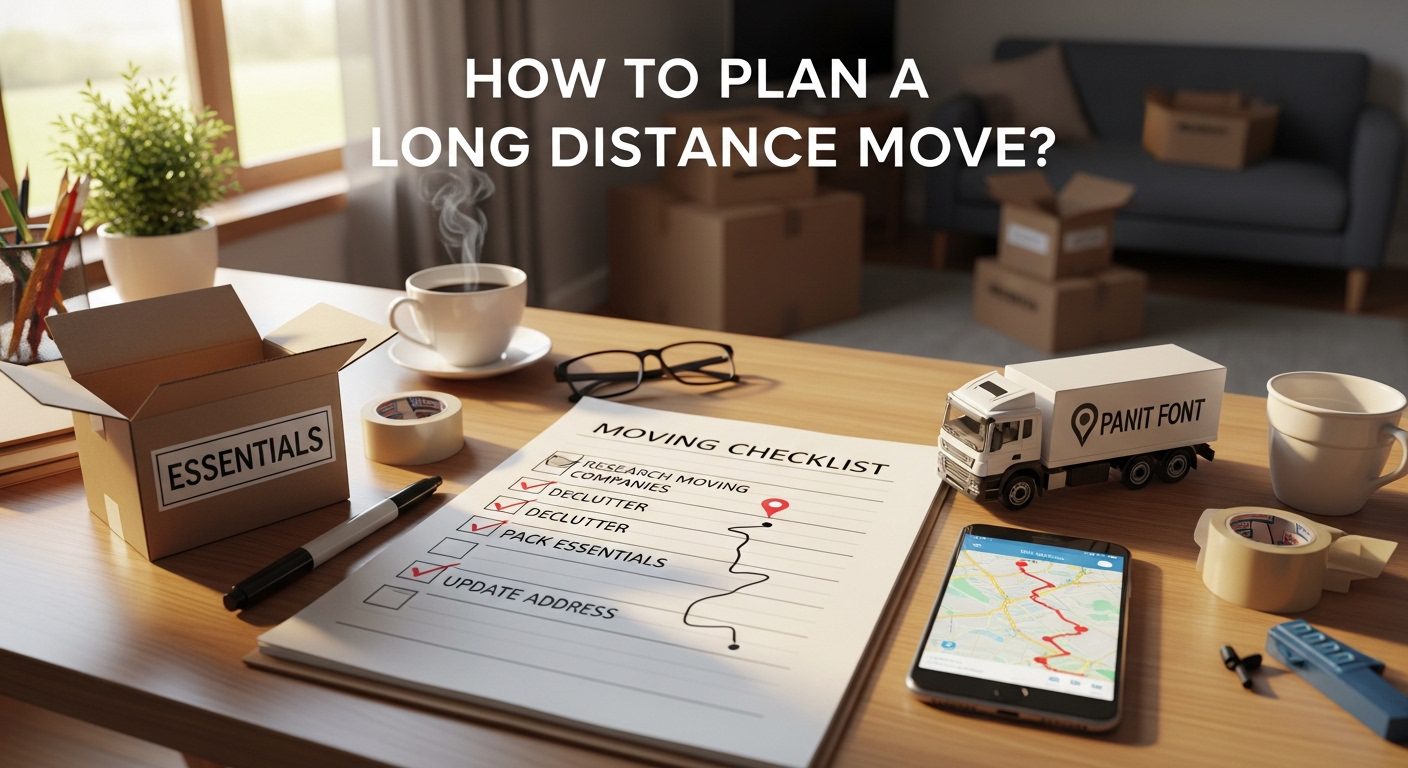
Planning is the foundation of every successful relocation. Start by organizing all documents, contracts and checklists in one place. This improves your moving calendar and helps manage moving timeline tasks more efficiently.
Next, always get accurate estimates instead of rough guesses. Proper assessments ensure better pricing. This is especially important when dealing with professional movers.
Finally, coordinate utilities properly so your old home stays functional until departure and your new home is ready upon arrival. This ensures a seamless transition into your new environment.
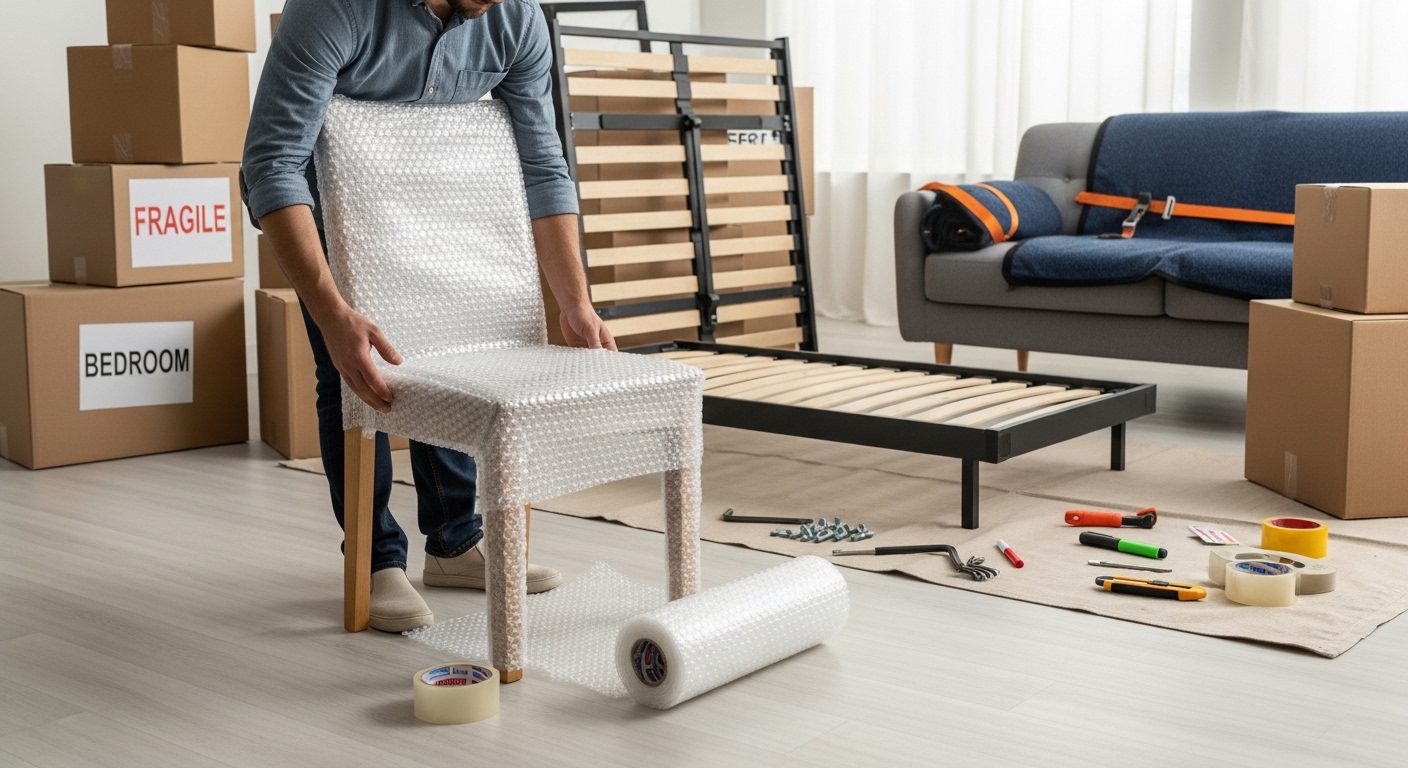
Furniture requires careful handling because it is both heavy and fragile. Proper preparation reduces damage and makes transport much safer.
Start by breaking down large furniture such as beds and tables. This makes transport easier and reduces the risk of damage. It also helps optimize space in the moving truck.
Use blankets and padding to cover furniture completely. This protects surfaces from scratches and impact during transit. Proper wrapping is essential for long-distance safety.
Store screws and bolts in labeled bags and attach them to furniture pieces. This ensures nothing gets lost and makes reassembly easier later.
Place heavier items at the bottom to maintain balance during transport. This prevents shifting and reduces damage risk throughout the journey.
A good company is licensed, insured and transparent. Always check mover research. Compare estimates. Ensure proper evaluation before booking.
Make sure you choose companies that offer nationwide coverage and have reliable vehicles. Flexible pickup and drop-off options ensure hassle-free long-distance travel.
A long-distance move becomes much easier when you follow a process… instead of trying to manage everything at once. From planning and budgeting to packing and execution. Every step plays an important role in creating a smooth transition.
Using the right tips for moving out of state long distance and applying proper long distance moving packing tips helps reduce stress, cost as well as confusion. When your moving organization is strong, the entire process feels more controlled. You can still always reach out to professional movers for help. MPR Movers and Packers can take care of your relocation process from start to finish.
More Services : Meadowvale Party Rentals Or MPR Landscapes

Immensely passionate for literature, Arsh-E-Bareen is a freelance writer. She writes content for many renowned firms, including this one. In her spare time, she loves to write sonnets and short stories that touch and inspire people. You can contact her on LinkedIn